
Ocular Rosacea Treatment
At Sitterle Vision Source & Dry Eye Center in San Antonio, we focus on diagnosing and treating ocular rosacea using modern treatments that target the underlying inflammation responsible for dry eye symptoms.
If your eyes are red, irritated, watery, or sensitive to light, the underlying cause may be ocular rosacea.
Ocular rosacea is a common inflammatory condition that affects the eyelids, tear glands, and surface of the eyes. It is often associated with facial rosacea but can occur even in people who do not have noticeable skin symptoms.
With the right treatment approach, many patients experience significant improvement in comfort, eye health, and visual clarity.
What Is Ocular Rosacea?
Ocular rosacea is a chronic inflammatory condition that affects the eyes and eyelids.
It occurs when inflammation causes abnormal blood vessels, irritation of the eyelids, and dysfunction of the meibomian glands, which produce the oils necessary to maintain a stable tear film.
Because the meibomian glands play a critical role in preventing tear evaporation, ocular rosacea frequently leads to evaporative dry eye disease.
In fact, many patients diagnosed with chronic dry eye also have underlying ocular rosacea that has gone undetected.
Symptoms of Ocular Rosacea
Symptoms can range from mild irritation to more persistent discomfort.
Common signs of ocular rosacea include:
- red or bloodshot eyes
- burning or stinging sensation
- eyelid redness or swelling
- watery or tearing eyes
- light sensitivity
- gritty or sandy feeling in the eyes
- blurred or fluctuating vision
- eyelid crusting or inflammation
- frequent styes or chalazia
Some patients also notice visible small blood vessels along the eyelid margins, which are a common sign of rosacea-related inflammation.
Symptoms often fluctuate and may worsen with environmental triggers.
Causes and Triggers of Ocular Rosacea
The exact cause of ocular rosacea is not fully understood, but it is believed to involve chronic inflammation and vascular changes in the skin and eyelids.
Common triggers that can worsen symptoms include:
- Heat and Sun Exposure – High temperatures and sun exposure may increase inflammation and redness.
- Spicy Foods – Certain foods can trigger flushing and vascular dilation.
- Alcohol – Alcohol can worsen rosacea symptoms by dilating blood vessels.
- Stress – Stress may contribute to inflammatory flare-ups.
- Wind and Environmental Irritants – Dry environments, wind, and air conditioning can aggravate symptoms.
Because rosacea is a chronic condition, symptoms often occur in cycles with periods of flare-ups and remission.
How Ocular Rosacea Affects Dry Eye
One of the most important ways ocular rosacea affects the eyes is by damaging the meibomian glands, which produce the oil layer of the tear film.
When inflammation affects these glands:
- oil production decreases
- the tear film becomes unstable
- tears evaporate too quickly
- dry eye symptoms worsen
This combination of rosacea and meibomian gland dysfunction is a common cause of chronic dry eye disease.
Treating ocular rosacea often improves both eyelid inflammation and dry eye symptoms simultaneously.
Diagnosing Ocular Rosacea
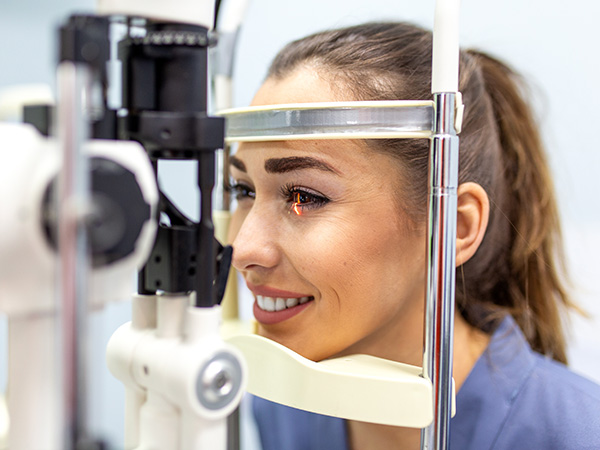
A comprehensive eye examination allows our doctors to identify signs of ocular rosacea and determine the best treatment approach.
During your evaluation, we assess:
- eyelid inflammation
- tear film stability
- meibomian gland function
- ocular surface health
In some cases, we may also evaluate the structure of the meibomian glands to determine the severity of gland dysfunction.
Proper diagnosis is essential because ocular rosacea is often mistaken for simple dry eye or allergies.
When to See an Eye Doctor
You should schedule a dry eye evaluation if you experience:
- persistent redness of the eyes
- burning or stinging sensation
- frequent styes or eyelid bumps
- chronic dry eye symptoms
- sensitivity to light
- fluctuating vision
Early treatment helps prevent progressive damage to the meibomian glands and tear film.
FAQ About Ocular Rosacea
Can ocular rosacea go away?
Ocular rosacea is a chronic condition, but treatments can significantly reduce symptoms and control inflammation.
Is ocular rosacea the same as dry eye?
Ocular rosacea often causes meibomian gland dysfunction, which leads to evaporative dry eye.
What is the best treatment for ocular rosacea?
Many patients benefit from Intense Pulsed Light (IPL) therapy, which helps reduce inflammation and improve gland function.
Can ocular rosacea damage the eyes?
If left untreated, chronic inflammation can affect the tear film and ocular surface, making early treatment important.
Schedule a Dry Eye Evaluation
If you believe ocular rosacea may be contributing to your dry eye symptoms, a comprehensive evaluation can help determine the best treatment options.
Quick Links
Helpful Articles
All Eye Care Services
Find personalized eye care excellence with our comprehensive services. From eye exams to advanced diagnostics, trust us for all your vision needs.

Keep In Touch
For non-urgent questions or to learn more about our services, contact us today!

- 2950 Thousand Oaks #23
San Antonio, TX 78247 - Phone: (210) 490-9091
- Fax: (877) 259-0981
- Monday 8:00am - 7:00pm
- Tuesday 8:00am - 6:00pm
- Wednesday 8:00am - 6:00pm
- Thursday 8:00am - 7:00pm
- Friday 8:00am - 5:00pm
- Saturday 8:00am -1:00 pm
- Sunday Closed
- Monday
- Tuesday
- Wednesday
- Thursday
- Friday
- Saturday
- Sunday
- Monday
- Tuesday
- Wednesday
- Thursday
- Friday
- Saturday
- Sunday
© 2026 Sitterle Vision Source & Dry Eye Center. All rights Reserved - Accessibility Statement - Privacy Policy - Sitemap
Managed and Designed by 